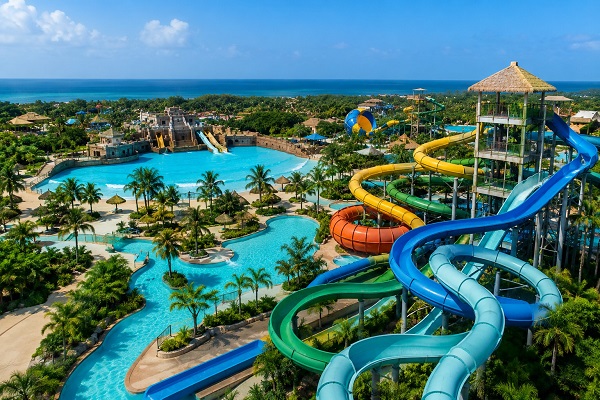
The cost to build a water park can range from approximately US$1 million for a small commercial project to $20–60 million or more for a large water park. Large destination water parks with extensive attractions, theming and supporting facilities can exceed US$50–100 million. As a general planning reference, a small water park may require around $1–5 million, a medium-sized water park around $5–20 million, and a large commercial water park around $20–60 million or more. Echter, there is no fixed price for building a water park. The final investment depends on the land area, number and type of water slides, pools, golfpools, Luie rivieren, children’s water play equipment, civiele constructie, filtratiesystemen, installatie, local labor costs and project location.
Hoeveel kost een kleine, Medium, and Large Water Park Cost?
The cost of building a water park varies significantly depending on the project size, attraction mix, local construction costs, site conditions and level of theming. As a preliminary planning reference, a small commercial water park may require approximately $1–5 million, a medium-sized water park around $5–20 million, while a large destination water park can require $20–60 million or more. These figures should be used for early-stage budget planning rather than as fixed quotations.
| Projectschaal | Recommended Site Area* | Estimated Total Investment* | Water Park Equipment Budget* | Civiele werken & Infrastructure* | Typical Investors |
| Small Water Park | 2,000–10,000 m² | US$1–5M | US$0.3–1.5M | US$0.4–2M | Hotels, resorts, local attractions, family entertainment projects |
| Medium Water Park | 10,000–40,000 m² | US$5–20M | US$1.5–7M | US$2–8M | Regional water park developers, resorts, tourism projects, municipalities |
| Large Water Park | 40,000–100,000+ m² | US$20–60M+ | US$6–20M+ | US$8–25M+ | Destination resorts, major developers, tourism groups and theme park operators |
*These are preliminary planning ranges rather than fixed industry standards. Land purchase is not included because land prices vary greatly by country and location.
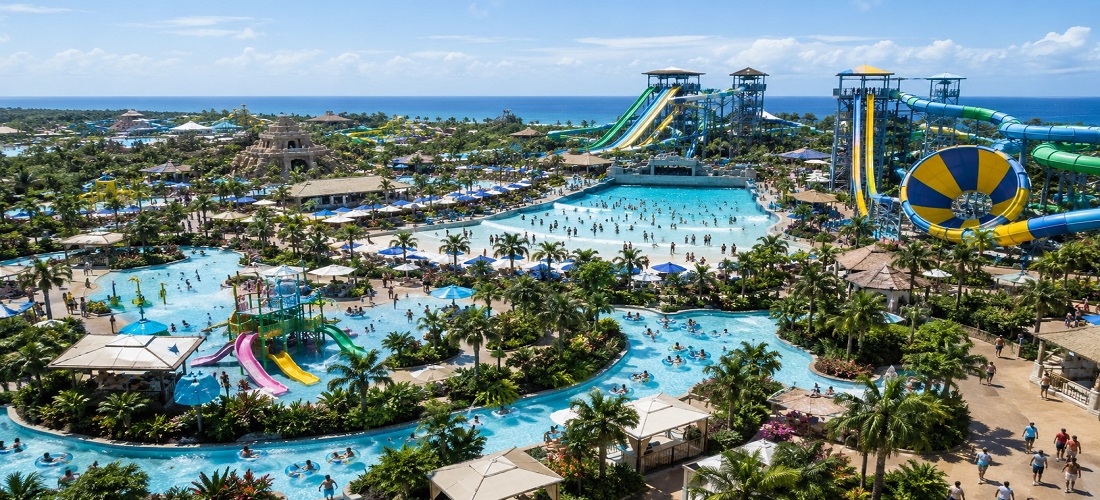
What Can You Build with a $1–5 Million Water Park Budget?
A $1–5 million budget is generally more suitable for a small commercial water park focusing on families and children.
A typical project may include:
Instead of investing heavily in large thrill attractions, the priority at this level should be creating a balanced combination of kids’ water play equipment, family slides and swimming areas. This type of water park can be suitable for hotels, resorts, vakantieparken, community attractions and investors entering the water park business with a controlled initial budget. Some suppliers place small commercial projects at approximately $1–2 million depending on their size and configuration, while other European developers estimate significantly higher investment levels when larger sites, multiple pools and full supporting infrastructure are included. This illustrates why the attraction mix and construction scope matter more than the label “small water park.” If you want to find a professional and reliable water park manufacturer, Dinis water park manufacturer can be your first choice.
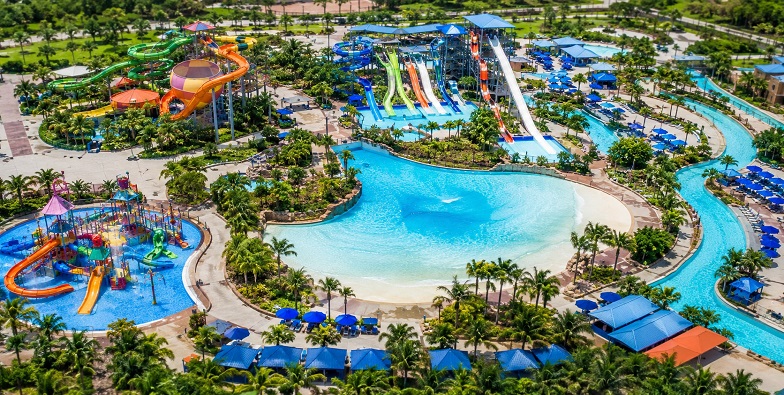
What Can You Build with a US$5–20 Million Water Park Budget?
A $5–20 million investment allows much greater flexibility in attraction selection and is more appropriate for a regional commercial water park.

A typical medium-sized water park may include:
- 6–12 water slide routes
- One or more multi-slide towers
- Family raft slides
- Body slides and speed slides
- Large children’s water play structure
- Kinderen’ splash zone
- Wave pool
- Lazy river
- Family leisure pools
- Pumping, filtration and water treatment systems
- Restaurants, changing facilities and guest service areas
- Landscaping and basic theming
At this investment level, the park can begin using anchor attractions such as a wave pool or lazy river to increase visitor dwell time, while combining thrill rides with family and children’s attractions. This budget level can be particularly suitable for regional tourism developers, resorts, commercial entertainment projects and investors targeting both local residents and tourists.
What Can You Build with a $20–60 Million Water Park Budget?
With an investment of US$20–60 million or more, developers can begin planning a large destination water park rather than simply a local aquatic attraction.
Possible attractions may include:
- 12–25+ water slide routes
- Multiple large water slide towers
- Lichaamsglijbanen met hoge snelheid
- Family raft slides
- Large funnel or bowl slides
- Signature thrill water rides
- Large wave pool
- Long lazy river
- Multiple children’s water play zones
- Family pools and activity pools
- Advanced water treatment systems
- Extensive restaurants and retail areas
- Cabanas and premium guest areas
- Large changing and service facilities
- Landscaping and customized theming
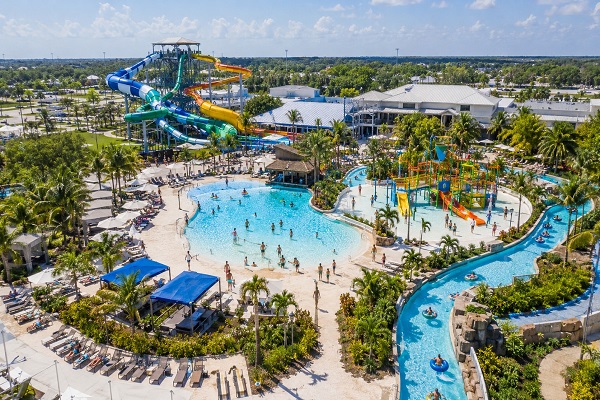
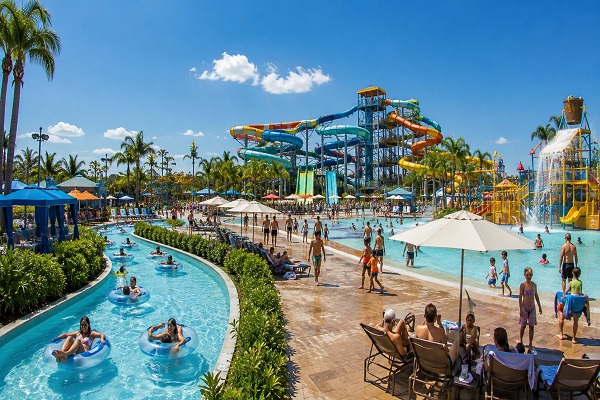
At this level, attraction selection should not simply focus on installing more slides. The project also needs to consider park capacity, guest circulation, attraction throughput, food and beverage areas, passive spaces and future expansion.
Daarom, US$20–60 million should be treated as a planning range for a large commercial water park rather than an upper limit.
How Should a Water Park Budget Be Allocated?
Buying water slides is only one part of the investment.
A complete water park budget normally needs to cover: Planning, design and engineering; Water slides and water play equipment; Swimming pools and attraction basins; Wave-making and lazy-river systems; Pumps, filtration and water treatment; Foundations and structural works; Site preparation and drainage;Electrical and utility infrastructure; Equipment transportation; Installatie; Landscaping and theming; Changing rooms, toilets and restaurants; Parking and guest circulation areas; Permits and local compliance; Contingency
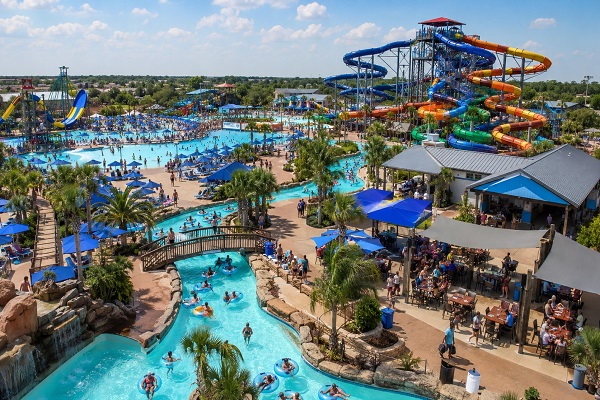
As one industry planning example, WM International estimates that a medium water theme park may allocate approximately 40–50% to water attractions, including slides, pools, pumps and water-treatment systems; around 10–15% to planning and design; rondom 15% to infrastructure; and additional budget to theming, landscaping and contingency.
Another water park supplier estimates that civil construction can be substantially larger than the standalone equipment budget, illustrating why the price of water slides alone cannot represent the total project investment.
How Much Does Water Park Equipment Cost?
The cost of water park equipment can range from several hundred thousand dollars for a small commercial project to several million dollars for a large destination water park. Echter, equipment cost is only one part of the total water park investment. De finale water park equipment price depends mainly on the type and number of water slides, slide tower height, water play structures, wave pool equipment, lazy river systems, pumping and filtration systems, passenger capacity and customization requirements.
Commercial Water Slides:$10,000- $ 100.000
Commercial water slides may cost approximately $10,000 for a simple family slide to $100,000 or more for large multi-lane, funnel, bowl or customized signature attractions.
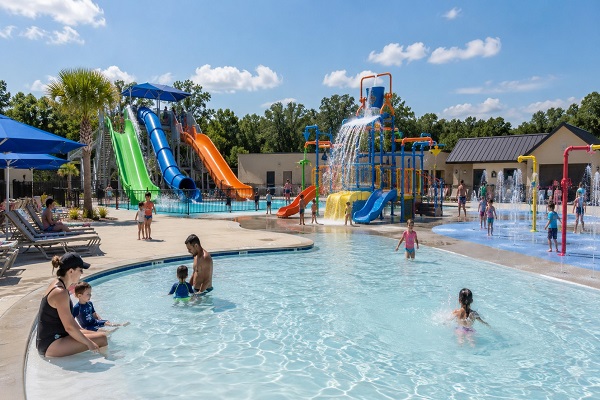
Kinderen’ Water Play Equipment:$10,000–$250,000+
| Kids Water Equipment | Referentieprijs |
| Small splash pad | US$10,000–50,000 |
| Medium water play structure | US$50,000–150,000 |
| Large commercial water play structure | US$150,000–250,000+ |

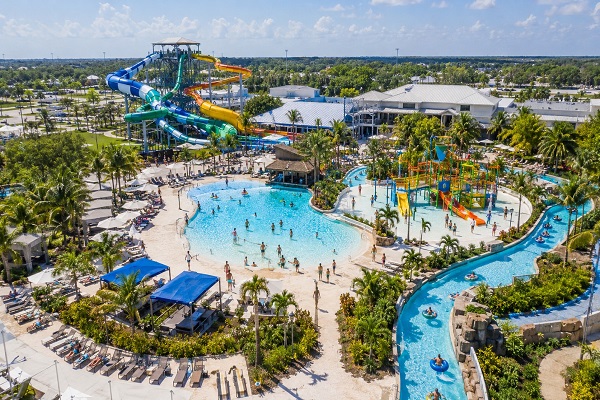
Lazy River Equipment:$20,000-800,000
Lazy river circulation and propulsion equipment may cost approximately $20,000–800,000 or more, while the complete cost of a lazy river is significantly higher after adding the concrete channel, filtration, pumps, landschapsarchitectuur, decking and installation.
What Factors Affect Water Park Construction Costs?
Water park construction costs can vary significantly even between projects of a similar size. The final budget depends not only on the number of water slides you purchase, but also on visitor capacity, attraction mix, omstandigheden ter plaatse, nutsvoorzieningen, engineering requirements, local labor and the level of customization.
Understanding these factors can help investors establish a more realistic water park construction budget before requesting a detailed quotation.
The larger the water park and the more visitors it is designed to accommodate, the higher the overall construction cost is likely to be.
A higher target capacity generally requires more than additional water slides. It can also require:
Larger pools and deck areas
More changing rooms and toilets
Wider guest circulation areas
Greater pumping and filtration capacity
More restaurants and seating areas
Larger utility systems
Additional parking and supporting facilities
Your attraction mix is one of the most important factors affecting the total cost of building a water park.
A park based mainly on children’s pools, splash areas and several standard water slides will normally require a different investment from a destination water park containing:
Large funnel or bowl slides
High-speed slides
Family raft slides
Multi-lane racing slides
Wave pools
Lazy rivers
Large water play structures
Signature customized attractions
Larger and higher-capacity attractions generally require more glasvezel components, steel structures, fundamenten, pumps and mechanical systems.
Daarom, instead of simply asking, “How many water slides can I install?”, investors should first determine which combination of thrill, family and kids’ water attractions best matches their target visitors.
Wave pools and lazy rivers can have a particularly large impact on water park construction costs because their cost goes far beyond purchasing the equipment.
A complete installation may require:
- Reinforced concrete pools or channels
- Excavation
- Waterproofing
- Wave-making or propulsion equipment
- Large-capacity pumps
- Water filtration and treatment
- Underground piping
- Electrical controls
- Decking and landscaping
This is why the price of wave pool equipment or lazy river equipment alone should not be used to estimate the complete cost of these attractions.
The same water park design can cost substantially more to construct on a difficult site.
Important site conditions include:
- Soil bearing capacity
- High groundwater levels
- Rock or granite
- Sloping terrain
- Drainage conditions
- Excavation requirements
- Access for construction machinery
Terrain and soil conditions as major cost variables. Difficult soil, rock or high groundwater can increase excavation, fundamenten, drainage and other site-work requirements.
A highly themed water park will generally cost more than a project using standardized equipment and relatively simple landscaping.
Additional costs may come from:
- Customized water slide colors
- Special fiberglass molds
- Themed water play structures
- Artificial rocks
- Decorative façades
- Sculptures
- Themed buildings
- Special lighting
- Landscape design
- Custom steel structures
Theming can help create a stronger park identity, but the level of customization should be aligned with the project’s target market and investment budget.
Project location can significantly affect the final cost.
For an international water park project, investors may need to consider:
- International freight
- Container requirements
- Customs clearance
- Import duties and taxes
- Local crane rental
- Installation labor
- Accommodation for technical teams
- Local construction wages
Large fiberglass water slides and steel structures can also require multiple containers, specialized lifting equipment and experienced installation teams, so logistics should be considered before the equipment configuration is finalized
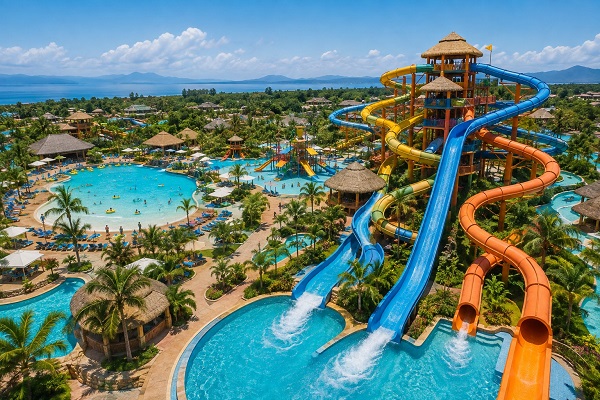
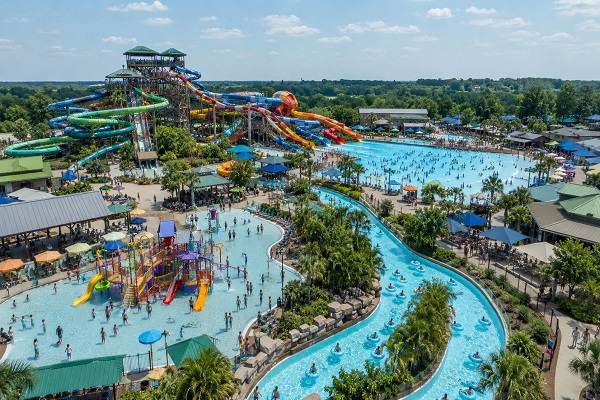
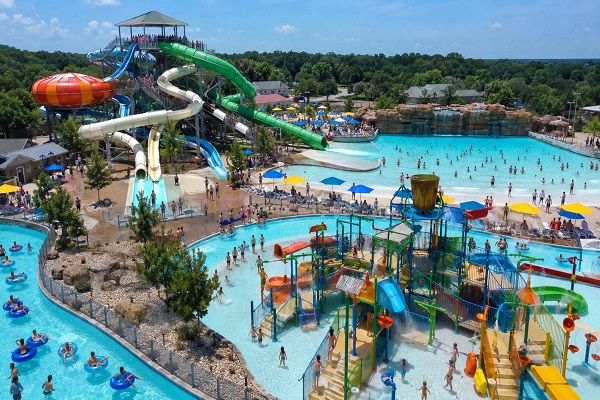
The cost of building a water park depends on much more than the price of water slides. As a general planning reference, a small commercial water park may require around US$1–5 million, a medium-sized project around US$5–20 million, while a large destination water park may require US$20–60 million or more.
The final investment will depend on the site area, bezoekerscapaciteit, attraction mix, water park equipment, civiele constructie, waterbehandelingssystemen, level of theming, lokale arbeid, verzend- en installatievereisten. Daarom, investors should not estimate the total project cost based on equipment prices alone. A well-planned water park starts with a clear budget, target market and site conditions, followed by an appropriate combination of kids’, family and thrill attractions. If you are planning a new water park, provide your available land area, doelland, estimated investment budget, expected visitor capacity and preferred attractions to receive a preliminary equipment configuration and more accurate water park quotation. Dinis also provides customized water park solutions for different markets. If you are planning a project in Africa, U kunt ook onze verkennen water park solution in South Africa for additional planning references.