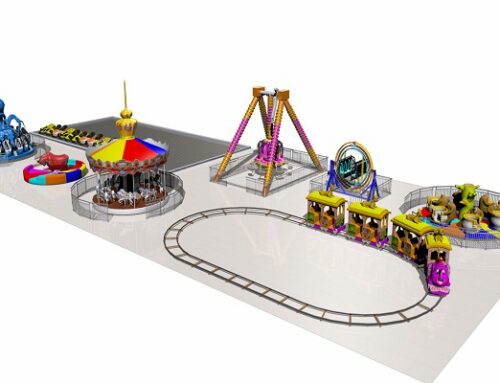
An amusement park investor in the United States planned to add a family-oriented roller coaster to an outdoor entertainment area. The park wanted more excitement than small kiddie rides could provide. Sin embargo, the investor did not want a large thrill coaster with high construction costs and demanding space requirements. The available area also required a compact ride layout. Mientras tanto, the park mainly served families with children, so the new attraction needed a moderate thrill level. The investor also wanted a visually recognizable ride that could strengthen the park’s family attraction zone. Por lo tanto, DINIS recommended a Wacky Worm Roller Coaster as a compact family coaster solution. The ride combines a recognizable themed design, manageable site requirements, family-friendly operation, and a stronger experience than conventional children’s rides.
What Did the US Amusement Park Need?
The client did not simply need another amusement ride. The project needed a roller coaster that could fill the gap between small family rides and large thrill attractions. A full-size thrill coaster would require more land, infraestructura, investment, and project preparation. Sin embargo, a very small kiddie coaster would not create enough attraction for older children and accompanying family members. Por lo tanto, the project focused on several practical requirements:
| Visitantes objetivo | Families with children and younger riders |
| Experiencia de viaje | More exciting than basic kiddie rides |
| Thrill Level | Moderate rather than extreme |
| Instalación | Outdoor amusement park |
| Site Requirement | Compact use of available land |
| Investment Goal | Control equipment and project costs |
| Impacto visual | A recognizable attraction for the family zone |
| Park Role | Add a stronger family ride without building a large coaster |

The investor also needed the ride to work with other attractions already planned for the park. Por lo tanto, ride selection needed to consider visitor circulation, queue space, entrance positioning, safety clearances, and surrounding equipment.
DINIS used these requirements to narrow the project toward a compact family coaster rather than a large-scale thrill coaster.
Why Did the Client Choose a Wacky Worm Roller Coaster?
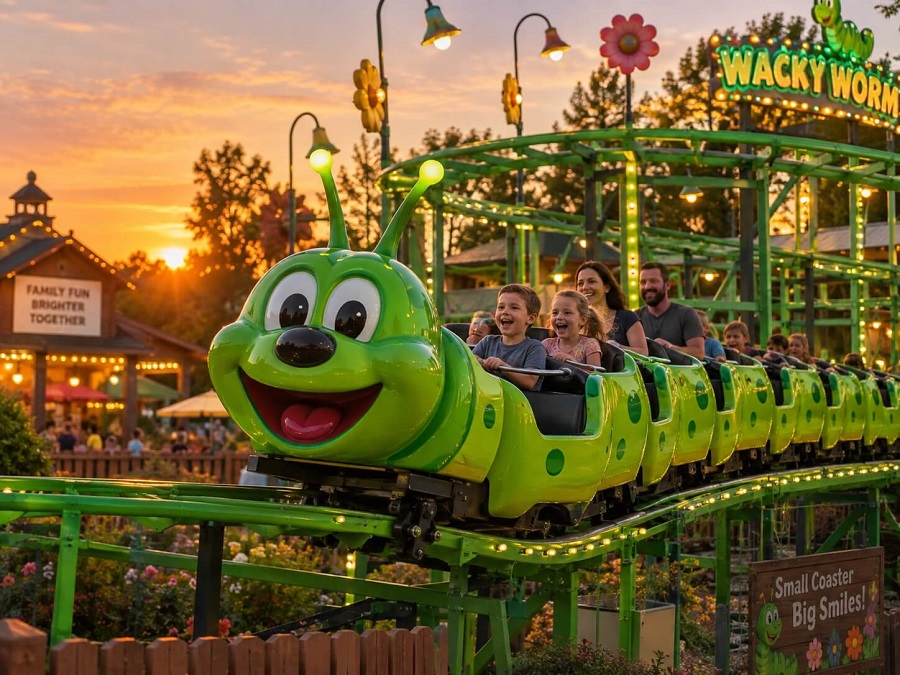
El Montaña rusa de gusanos locos suited the project because it provided a middle level of amusement experience. Small rides such as carousels and teacup rides mainly serve younger visitors. Large roller coasters target riders who want higher speed, greater height, and stronger acceleration. The Wacky Worm sits between these two categories. It gives children their first recognizable roller coaster experience. Al mismo tiempo, parents can easily understand the ride concept and evaluate whether it suits their family.
The client wanted excitement without making the attraction too intimidating.
A Wacky Worm Roller Coaster uses curves, small elevation changes, and continuous track movement to create a clear coaster experience. Sin embargo, the ride does not depend on extreme height or very high speeds. This characteristic makes the attraction particularly useful in a family amusement park. The operator can use one ride to serve a broader group than a small kiddie attraction. Por lo tanto, the coaster can help connect children’s rides with stronger family attractions inside the park.
Land use also influenced the client’s decision. Large roller coasters can require significant space for tracks, cimientos, queue areas, safety zones, and supporting infrastructure. A compact family coaster can make better use of a smaller ride zone. DINIS can evaluate the available site before confirming the final track arrangement. The layout can consider nearby rides, pedestrian routes, entrances, exits, and operational areas. This approach helps the investor avoid selecting a coaster that overwhelms the available site.
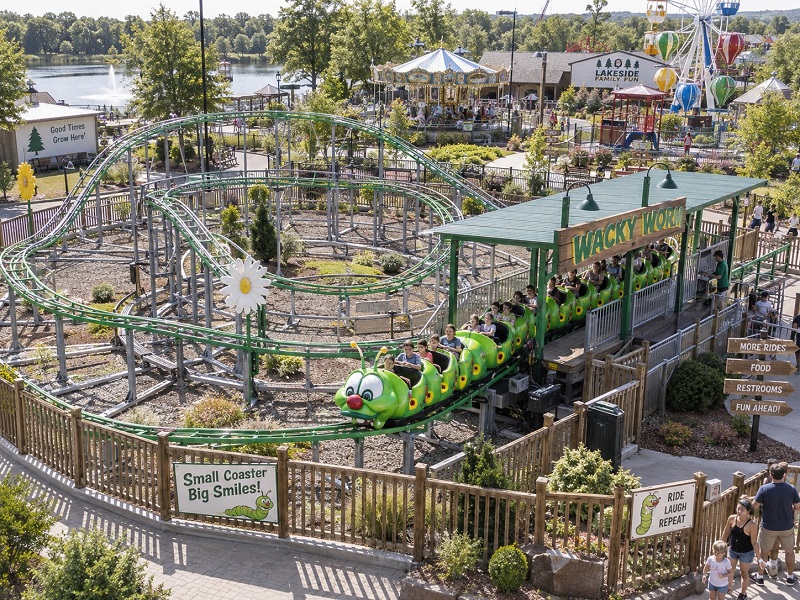
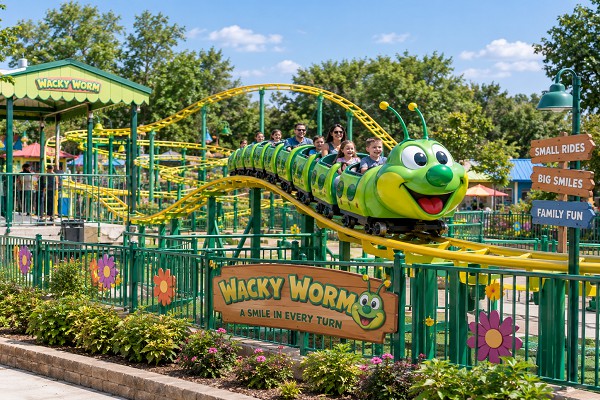
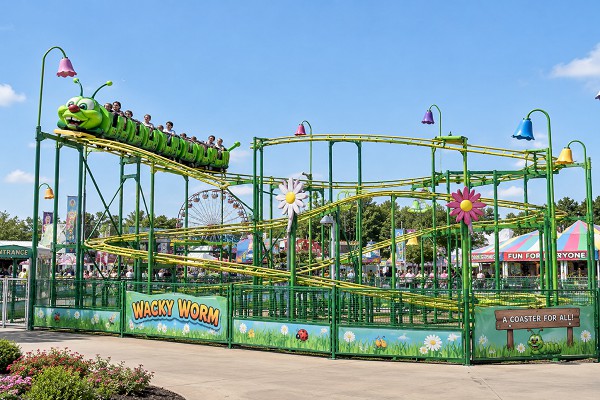
The client also wanted the new ride to become more noticeable than ordinary flat rides.The Wacky Worm design gives the coaster a distinctive visual identity. Its themed train, elevated track, curvas, and decorative elements make the attraction easy to recognize from other areas of the park. The park can also customize colors, decorative elements, iluminación, and surrounding scenery. Por lo tanto, the ride can serve two purposes:
it provides an attraction experience and creates a visual focal point for the family area.
Investment was another important consideration. A large custom roller coaster can involve substantial equipment, foundation, engineering, instalación, and infrastructure costs. A compact family coaster gives an investor a more manageable starting point. Sin embargo, the final project budget still depends on the selected configuration, shipping destination, condiciones del sitio, installation requirements, and local compliance needs. For this US project, DINIS focused on selecting a coaster configuration that matched the client’s family-oriented positioning instead of simply recommending a larger ride.

How Was the Roller Coaster Selected for the Site?
Ride selection should start with the site rather than the equipment catalogue. Para este tipo de proyecto, DINIS(A professional family rides manufacturer) first needs to understand the available installation area and the planned park layout. The engineering team can then evaluate how the coaster fits within the attraction zone.
Several site factors influence the final recommendation:

The client can provide a site drawing, archivo CAD, satellite image, or basic land dimensions. DINIS can then develop a preliminary equipment arrangement.
This process reduces the risk of purchasing a ride that later creates problems with circulation or installation.
For a family amusement park, the Wacky Worm Roller Coaster can also sit near carousels, coches que chocan, trenes sin rieles, or other family rides. This placement can create a more complete family attraction zone instead of placing the coaster as an isolated attraction.
What Configuration Was Supplied for the US Project?
DINIS can configure a Wacky Worm Roller Coaster according to passenger demand, available space, electrical conditions, and the park’s operating plan. A typical family model can use the following configuration as a reference
| Especificación | Typical Configuration |
|---|---|
| Tipo de viaje | Montaña rusa de gusanos locos |
| Solicitud | Outdoor family amusement park |
| Capacidad de pasajeros | 18 pasajeros |
| Approximate Footprint | 16 × 24 metro |
| Approximate Maximum Height | 2.5 metro |
| Velocidad de funcionamiento | Alrededor 7 km/h |
| Installed Power | Alrededor 5 kilovatios |
| Tema | Worm, caterpillar, fruit, or customized design |
| Iluminación | Optional decorative LED system |
| Track Layout | Site-dependent |
| Electrical Configuration | Confirmed according to US project requirements |
How Did DINIS Adapt the Ride for a US Project?
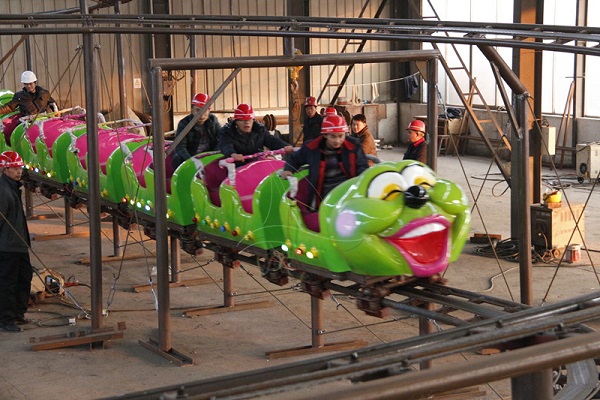
A US amusement project requires more than changing the ride voltage. DINIS needs to review the destination, installation conditions, local engineering requirements, and documentation before production. For this project, the adaptation process can focus on four areas.
What Safety Requirements Should Be Considered in the USA?
Safety requirements are an important part of any roller coaster project in the United States. Sin embargo, amusement ride regulations can vary by state and local jurisdiction.
ASTM International Committee F24 develops widely used standards for amusement rides and devices. These standards cover design, fabricación, pruebas, operation, mantenimiento, and inspection. Many US jurisdictions have incorporated ASTM F24 standards into their regulatory systems.
For roller coaster projects, standards such as ASTM F2291 address ride design. ASTM F1193 covers quality, fabricación, and construction requirements.
Por lo tanto, a US park owner should confirm the requirements of the Authority Having Jurisdiction (AHJ) before ordering and installing the ride.
Several items may require review during the project:
| Safety Item | Project Consideration |
|---|---|
| Ride Design | Confirm applicable design and engineering requirements |
| Passenger Restraints | Match the ride design and intended rider group |
| Base | Follow confirmed structural and site requirements |
| Sistema eléctrico | Match the project's local electrical conditions |
| Instalación | Follow manufacturer drawings and installation procedures |
| Testing | Complete required testing before public operation |
| Inspección | Arrange inspections required by the local jurisdiction |
| Operation | Train operators and follow operating procedures |
| Mantenimiento | Keep inspection and maintenance records |
| Documentación | Prepare drawings, manuales, and technical files for project review |
DINIS can provide technical drawings, foundation information, manuales de operación, and maintenance documents for project coordination.
Sin embargo, the park owner should confirm local permit and inspection requirements before installation. This step is especially important because US requirements can differ between states.
Por esta razón, DINIS recommends confirming the installation location early. The engineering team can then prepare the project information according to the actual destination.
How Was the Roller Coaster Manufactured and Shipped?
After the client confirms the coaster configuration, DINIS can begin detailed design and production.
The engineering team first confirms the track arrangement, capacidad de pasajeros, electrical system, and decorative design. The team also prepares the corresponding technical drawings.
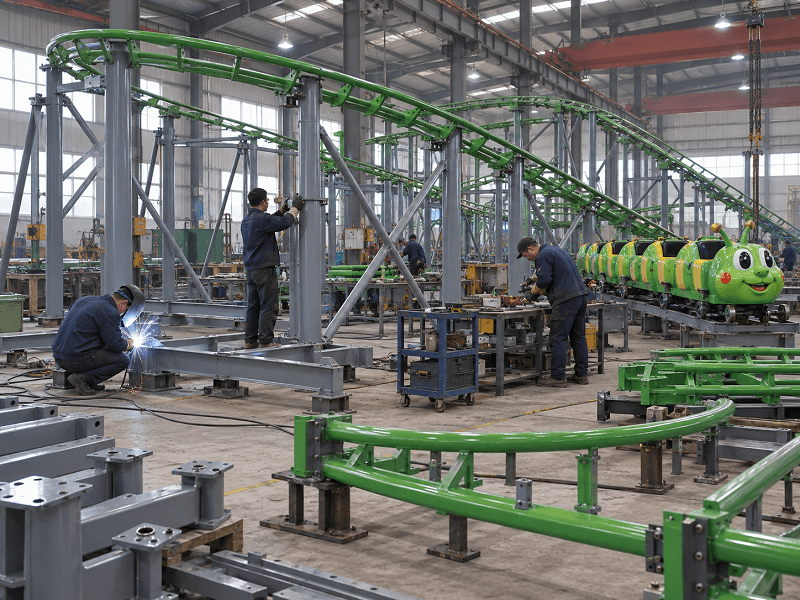
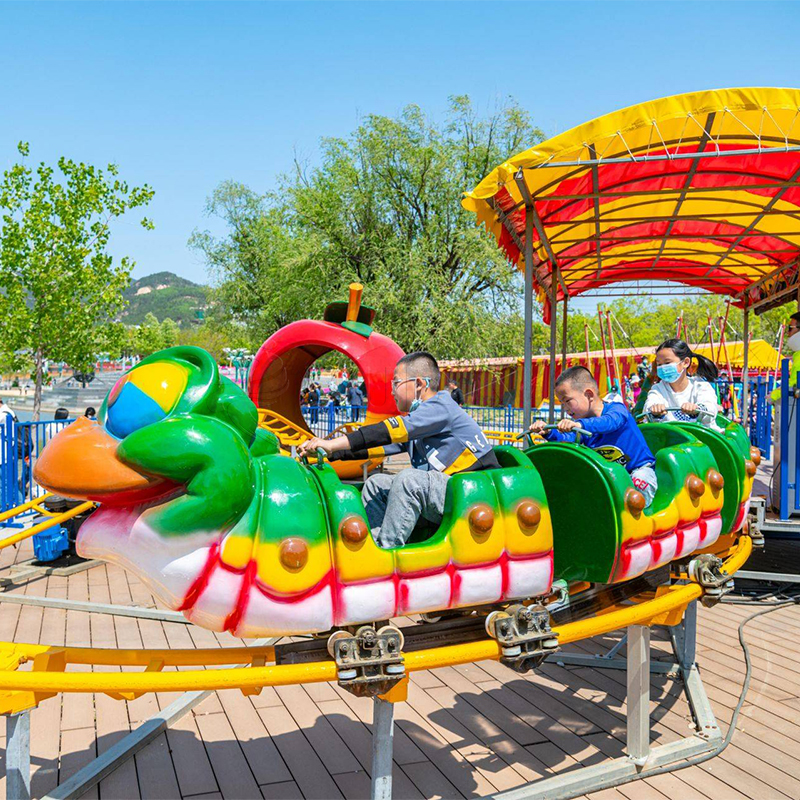
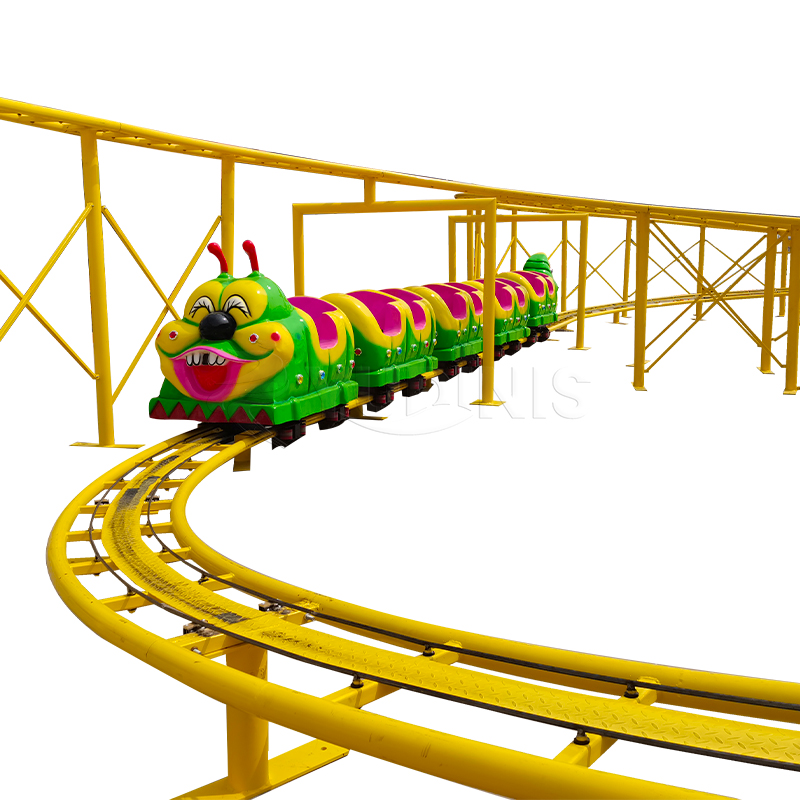
Production then covers the main structural parts, track sections, coaster train, electrical system, and decorative components.
Is a Wacky Worm Roller Coaster Suitable for a Small US Amusement Park?
A Wacky Worm Roller Coaster can be a practical choice for many small and medium-sized amusement parks.
Sin embargo, it does not suit every project.
The main advantage comes from its position between basic kiddie rides and larger thrill coasters. It can introduce a stronger ride experience without requiring the scale of a major roller coaster.
The standard DINIS 18-passenger model requires approximately 16 × 24 medidores of operating space. This size can make it easier to integrate into a compact family amusement area.
When Does a Wacky Worm Make Sense?
| Project Requirement | Suitability |
|---|---|
| Family-oriented amusement park | Alto |
| Small or medium ride area | Alto |
| Moderate coaster experience | Alto |
| First roller coaster for a park | Alto |
| Families with younger riders | Alto |
| Large teen thrill market | Medium to Low |
| Signature extreme coaster | Low |
| Major destination theme park headline ride | Low |
A small amusement park may already operate carousels, teacup rides, coches que chocan, or small trains.
In this situation, the Wacky Worm can add another level of attraction.
Por ejemplo:
Carrusel / Teacup Ride
↓
Montaña rusa de gusanos locos
↓
barco pirata / Paseos
↓
Larger Thrill Attractions
This structure helps a park create different experience levels for different visitors.
The coaster can also work well near a family ride zone. Operators can combine it with bumper cars, a carousel, a Ferris wheel, o un tren sin rieles.
Sin embargo, investors should not choose the ride only because the equipment fits the land.
They should also consider:
- expected visitor age;
- daily attendance;
- required capacity;
- surrounding attractions;
- available investment;
- local approval requirements;
- future park expansion.
For a smaller US amusement park, the Wacky Worm can therefore work as a compact family coaster rather than a headline thrill coaster.
How Much Does a Similar Wacky Worm Project Cost?
The current reference price for a standard DINIS 18-passenger Wacky Worm Roller Coaster is approximately US$8,000–13,000 per set.
Sin embargo, this figure represents a reference equipment price, not the complete cost of building and operating a coaster project in the United States.
A similar project may include several additional cost items.
| Cost Item | What Can Affect the Cost? |
|---|---|
| Roller Coaster Equipment | Capacidad, track size, configuration |
| Diseño personalizado | Bandera, tematización, iluminación, herrada |
| Electrical Configuration | Project voltage and electrical requirements |
| Embalaje | Equipment size and shipping method |
| International Shipping | Port, container quantity, freight rate |
| Import Costs | Destination and applicable import requirements |
| Base | Soil conditions and local construction costs |
| Instalación | Installation method and labor requirements |
| Local Engineering | State and local project requirements |
| Inspección / Permisos | Requirements of the local jurisdiction |
Por lo tanto, investors should not compare suppliers only by the equipment price.
Por ejemplo, two quotations may both describe an 18-seat Wacky Worm Roller Coaster, but they may use different steel grades, FRP thicknesses, surface treatments, componentes electricos, and decorative finishes. Sin embargo, they may include different track dimensions, sistemas electricos, decorative packages, documentation, or installation support.
DINIS therefore confirms the project requirements before preparing a final quotation.
For an accurate price, the buyer should provide:
- available installation area;
- US state and project location;
- required passenger capacity;
- indoor or outdoor installation;
- preferred coaster layout;
- requisitos de personalización;
- expected installation time.
DINIS can then determine whether the standard model meets the project requirements or whether the coaster needs customization.